

Commercial refrigeration has one very important job to do: keep products at the right temperature. Beyond that, what you need from your refrigeration can vary significantly depending on where it sits in your business and how it’s used.
A fridge designed to attract customers and showcase products has a very different role to one that stores bulk stock behind the scenes. One needs to support presentation and sales, while the other needs to keep up with the demands of a busy commercial environment.
Understanding those differences can help businesses choose refrigeration that fits their space, but it also supports the way they operate.
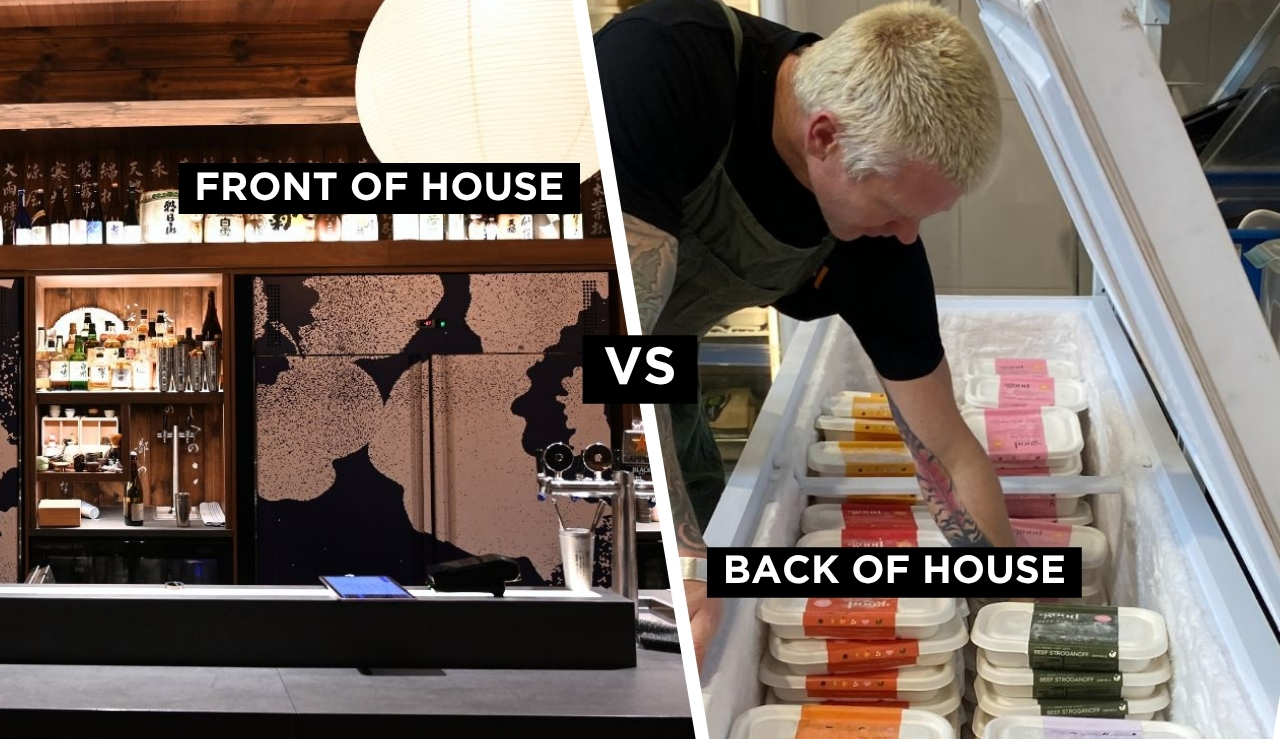
Front of house: where refrigeration is part of the customer experience
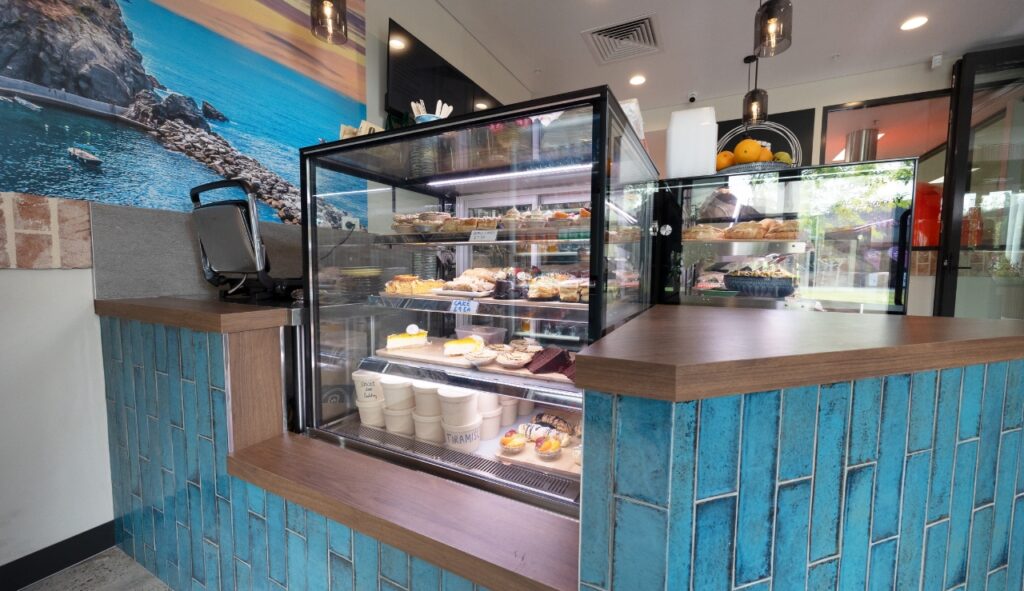
In supermarkets, convenience stores, cafés and food-to-go businesses refrigeration needs to do more than just keep things cold, visibility plays an important role in encouraging customers to browse and buy. Products need to be clearly displayed, easy to access and presented in a way that makes the most of the available space.
That might mean an open display fridge that allows customers to quickly grab a drink or meal, a glass door fridge that keeps products visible while maintaining temperature, or a food display cabinet that puts presentation front and centre.
The same thing goes for hot food. A well-positioned hot display can make freshly prepared products more visible and accessible, helping businesses make the most of high-traffic areas and impulse purchasing opportunities.
In these spaces, the right equipment needs to balance temperature control with presentation, accessibility and the customer experience.
Back of house: built around how your business operates
Behind the scenes, the priorities change. Back-of-house refrigeration becomes more about reliable storage, capacity and access than presentation. Any equipment needs to support the day-to-day demands placed on it, from constant door openings during busy periods to safely storing high volumes of ingredients and products.
Fitting the right equipment into the workspace so that it’s functional is important too. For example, in a commercial kitchen an underbench fridge can keep ingredients close to prep areas, while upright refrigeration provides greater storage capacity without taking up valuable floor space. The right combination can help staff access what they need quickly and keep workflows moving.
For operators, choosing back-of-house refrigeration means thinking beyond how much a unit can hold. It also means considering where it will sit, how often it will be accessed and how it will support the people using it every day.
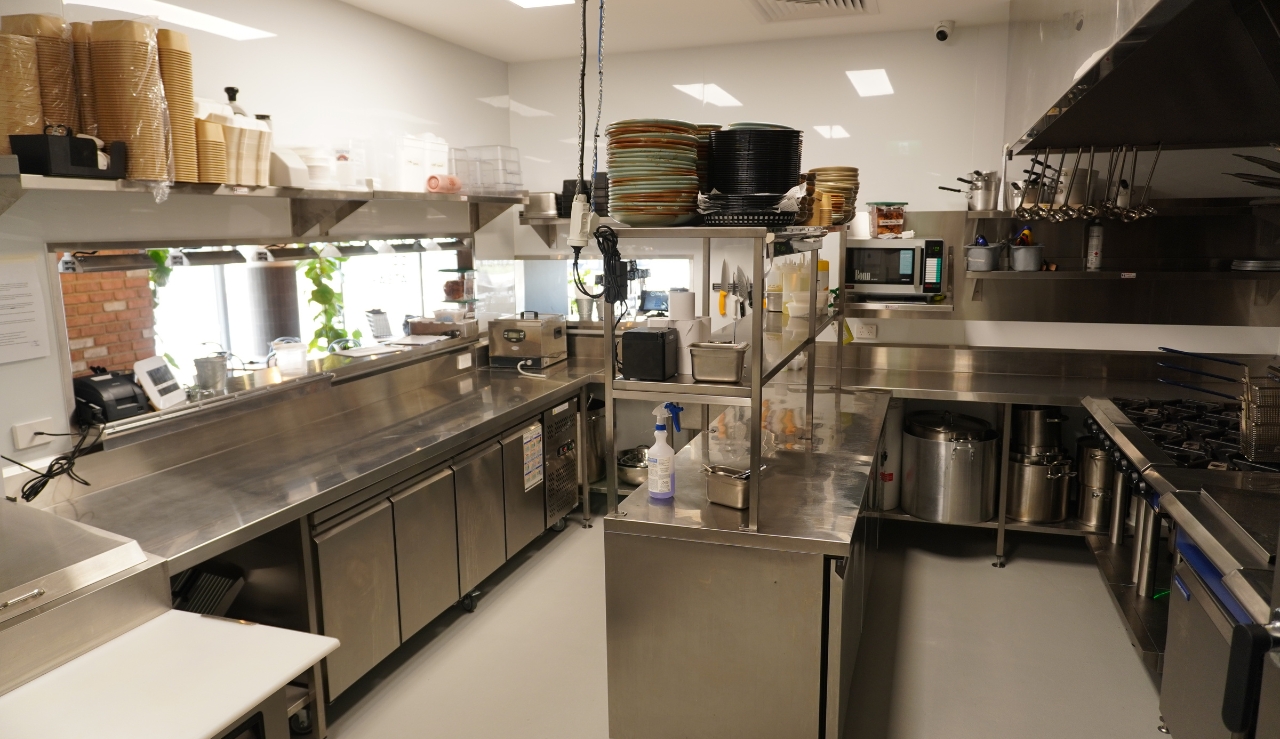
One refrigeration setup. Different jobs.
Front and back of house might have different priorities, but the decisions you make for one can affect the other. The products displayed at the front need to be supported by the stock stored behind the scenes. Prep areas need easy access to ingredients. Storage needs to keep pace with demand. Each part of the refrigeration setup plays a role in keeping products moving through the business.
Keeping this in mind can make future decisions easier. Instead of having to replace or add units as you go, considering the bigger picture from the beginning means businesses can consider how each piece fits together to benefit the entire operation. That might mean prioritising visibility in customer-facing areas, improving access and workflow behind the scenes, or making sure there is enough storage capacity to support future growth.
Finding the right solution for every part of your business
No two commercial environments operate in exactly the same way, which is why there is no single refrigeration solution that works for everyone. Through Bromic Refrigeration’s expanded offering, including our partnership with True Refrigeration, businesses now have access to a broader range of commercial refrigeration solutions for both front and back of house.
From display refrigeration that helps put products in front of customers to dependable storage solutions designed for demanding commercial environments, having access to a complete range makes it easier to choose equipment based on what each part of your business actually needs. Because the question isn’t simply what refrigeration do you need? It’s, what do you need your refrigeration to do?